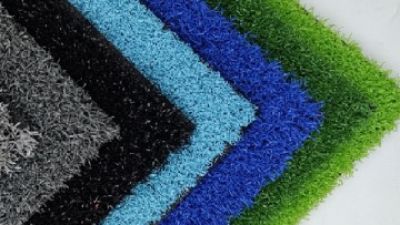
In the fast-changing world of landscaping, picking out Artificial Grass has really become a big deal for homeowners wanting to upgrade their outdoor areas in a sustainable way. Looking ahead to 2025, understanding the ins and outs of choosing the right fake turf is pretty much essential if you’re after that perfect lawn. Industry expert Dr. Emma Hughes, a respected horticulturist and a go-to person for synthetic turf advice, emphasizes how important quality is: "Picking the right artificial grass doesn’t just make your yard look better—it also means it’ll last longer and needs less upkeep."
With so many options out there, honestly, it can feel a bit overwhelming trying to figure out which type fits your needs and environment best. Factors like pile height, fiber type, drainage, and UV resistance all matter. Each of these plays a crucial role in how your lawn performs and looks. When you take the time to consider these details, you’re more likely to make a smart choice—one that upgrades your yard and fits your lifestyle.
As we dig into what really matters when choosing artificial grass, this guide will share practical tips and expert advice. The goal? Not just to completely transform your outdoor space, but also to help you pick something that's environmentally friendly and sustainable for the long haul.
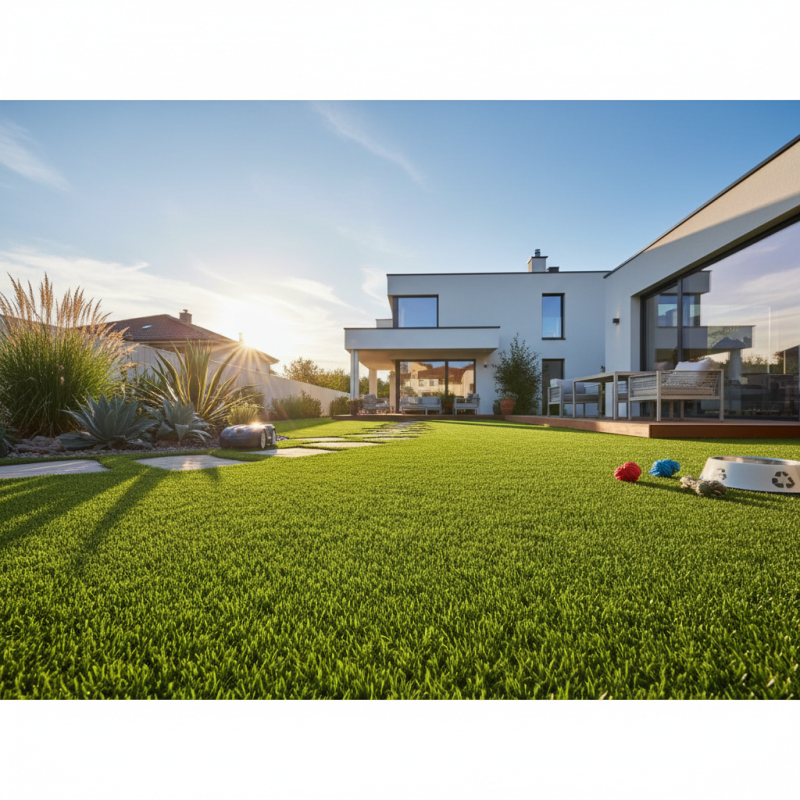
Understanding the Benefits of Artificial Grass for Lawns
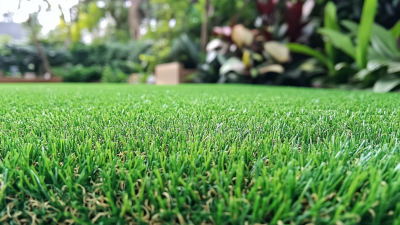
Artificial grass has become an increasingly popular choice for homeowners looking to enhance their lawns in 2025. One of the primary benefits of artificial grass is its low maintenance nature. Unlike natural grass, which requires regular mowing, watering, and fertilization, Artificial Turf eliminates these chores, saving you time and resources. This makes it an ideal option for busy individuals or families who want a beautiful yard without the commitment of ongoing upkeep.
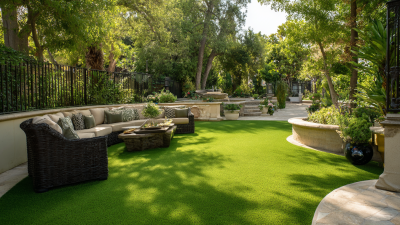
In addition to being low-maintenance, artificial grass is also environmentally friendly. With growing concerns about water scarcity, especially in arid regions, the use of synthetic turf significantly reduces water consumption. Homeowners can create lush green spaces without the need for constant irrigation, making it a sustainable choice for the planet. Furthermore, modern artificial grasses are designed to be durable and resistant to wear, ensuring long-lasting beauty and performance. This combination of aesthetic appeal and environmental responsibility makes artificial grass an attractive solution for lawns in 2025.
Identifying Your Lawn's Specific Needs and Requirements
When considering the best artificial grass for your lawn in 2025, it is essential to first identify your lawn's specific needs and requirements. Start by evaluating the purpose of your lawn. Will it be a recreational space for children and pets, or a serene area for relaxation? Understanding how you plan to use your lawn will guide your selection process, as certain types of artificial grass are more durable and suitable for high-traffic areas than others.
Next, assess the environmental conditions of your lawn space. Factors such as sunlight exposure, drainage, and soil type play a crucial role in determining the most appropriate artificial grass. For instance, if your lawn receives full sun, seek out materials that resist fading and can withstand heat. Similarly, consider the drainage capacity of the area; inadequate drainage can lead to water pooling, affecting the longevity of the grass. By taking these specific needs into account, you can make a more informed choice that complements both the aesthetic and functional aspects of your outdoor space.
Evaluating Different Types of Artificial Grass Materials
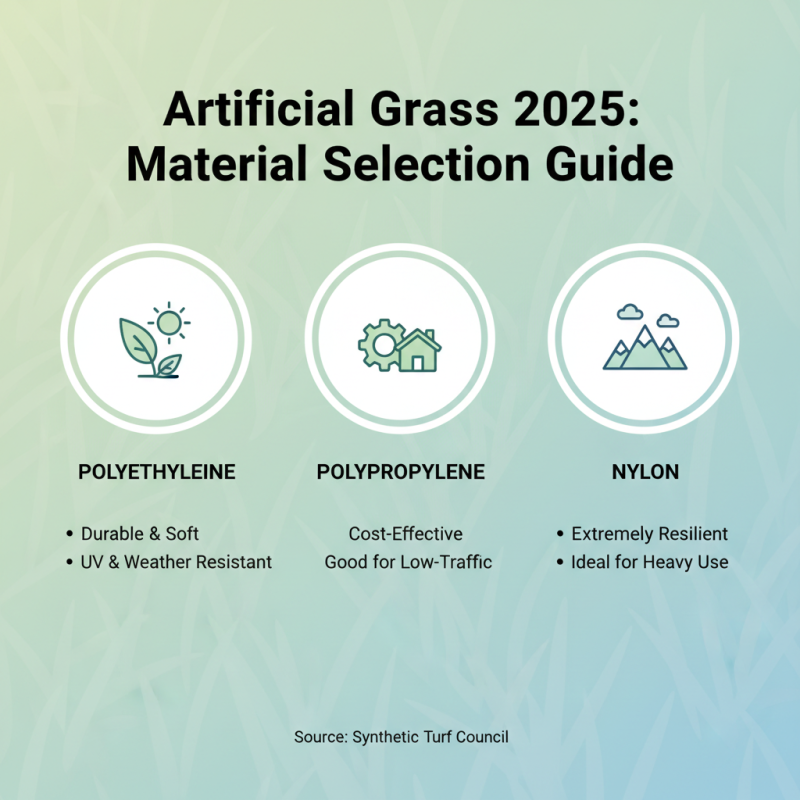
When selecting artificial grass for your lawn in 2025, it is essential to evaluate the variety of materials available. The most common types of artificial grass are polyethylene, polypropylene, and nylon, each with distinct properties that cater to specific needs. According to the Synthetic Turf Council, polyethylene is known for its durability and soft texture, making it a popular choice for residential landscaping. It is resistant to UV rays and can withstand varying weather conditions, which is crucial for maintaining the lawn's appearance over time.
Polypropylene, while typically less expensive, is generally less durable and best suited for low-traffic areas such as decorative lawns or gardens. In contrast, nylon is the most robust option, often used in high-traffic settings like sports fields. Reports indicate that nylon grass has the highest resilience but also comes at a higher cost. Ultimately, the choice depends on factors such as lawn usage, maintenance preferences, and budget. As urban living continues to evolve, the demand for realistic and durable artificial grass continues to rise, with the market projected to exceed $3 billion by 2025, driven by advancements in manufacturing technologies and increased awareness of sustainable landscaping practices.
Comparing Cost vs. Longevity of Artificial Grass Options
When considering artificial grass options for your lawn in 2025, understanding the balance between cost and longevity is critical. According to a recent industry report by the Synthetic Turf Council, high-quality artificial grass can range from $5 to $20 per square foot, depending on the brand, materials, and features. While the initial investment may seem substantial, evaluating the long-term benefits is essential. Artificial grass typically has a lifespan of 15 to 25 years; thus, when broken down annually, the cost can be much more manageable compared to natural grass, which often requires expensive upkeep, including fertilizers, mowing, and pest control.
In terms of longevity, tufted polyethylene and polypropylene options have gained popularity due to their resilience and UV stability, making them ideal for a variety of climates. A study by the National Association of Landscape Professionals reported that while cheaper options may initially save you money, they may not withstand wear and tear as effectively, leading to the need for replacements sooner. Investing in a more durable product ensures not only better aesthetics over time but also reduces the frequency of replacement, contributing to financial savings in the long run. Hence, when selecting the best artificial grass, carefully weighing the upfront cost against the expected longevity can lead to smarter, more sustainable choices for homeowners.
Assessing Environmental Impact and Sustainability Factors
When selecting the best artificial grass for your lawn in 2025, it's essential to consider the environmental impact and sustainability factors associated with different products. According to a report by the Synthetic Turf Council, the artificial turf industry has made significant advancements in sustainable practices, with over 80% of new installations incorporating recycled materials. These eco-friendly options not only reduce the demand for virgin resources but also minimize landfill waste, as many synthetic turf products are designed to last over over 15 years.
Additionally, it is crucial to assess the energy consumption during the production and installation of artificial grass. A study by the National Association of Landscape Professionals indicates that sustainable turf solutions can save up to 50% of the energy used in traditional turf maintenance. This aligns with the increasing trend towards low-impact landscaping, where homeowners are actively seeking ways to reduce their carbon footprint. By focusing on products that emphasize recyclability and minimal resource consumption, consumers can make informed decisions that benefit both their lawns and the planet.
Reviewing Maintenance Requirements for Artificial Grass
When selecting artificial grass for your lawn, understanding the maintenance requirements is crucial to ensure longevity and a realistic appearance. One of the key aspects of maintenance is regular cleaning. Unlike natural grass, which benefits from rainfall, artificial turf needs to be kept free from debris, such as leaves and dirt, which can accumulate over time. A simple weekly raking or brushing can help prevent the buildup of debris, while occasional power washing will eliminate deeper-set stains and odors.
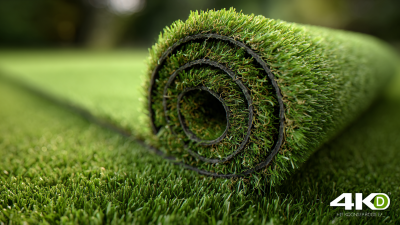
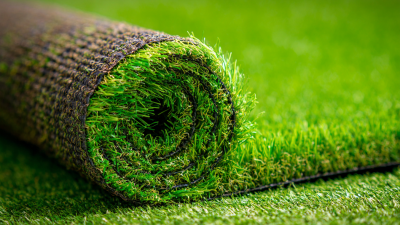
Another important consideration is the infill material, which plays a significant role in the maintenance of artificial grass. Infill helps support the blades of grass, making them stand upright and providing cushioning underfoot. Depending on the type of infill you choose, the maintenance requirements can vary. For instance, rubber infill may require periodic redistribution, while organic alternatives like coconut fiber or sand might necessitate more frequent replacement to ensure optimal performance and aesthetics. Additionally, addressing any rips or tears promptly can prevent further damage and maintain the overall look of your lawn, making it visually appealing and functional for years to come.
How to Choose the Best Artificial Grass for Your Lawn in 2025 - Reviewing Maintenance Requirements for Artificial Grass
| Grass Type | Blade Material | Maintenance Frequency | Lifespan (Years) | Infill Requirement |
| Nylon | Nylon Fiber | Monthly Rinsing | 15-20 | Yes |
| Polyethylene | Polyethylene Fiber | Every 6 Weeks | 10-15 | Optional |
| Polypropylene | Polypropylene Fiber | Seasonally | 5-10 | No |
| Dual-Color | Combination Fiber | Monthly Brush | 12-18 | Yes |
Choosing a Reliable Installer for Your Artificial Lawn
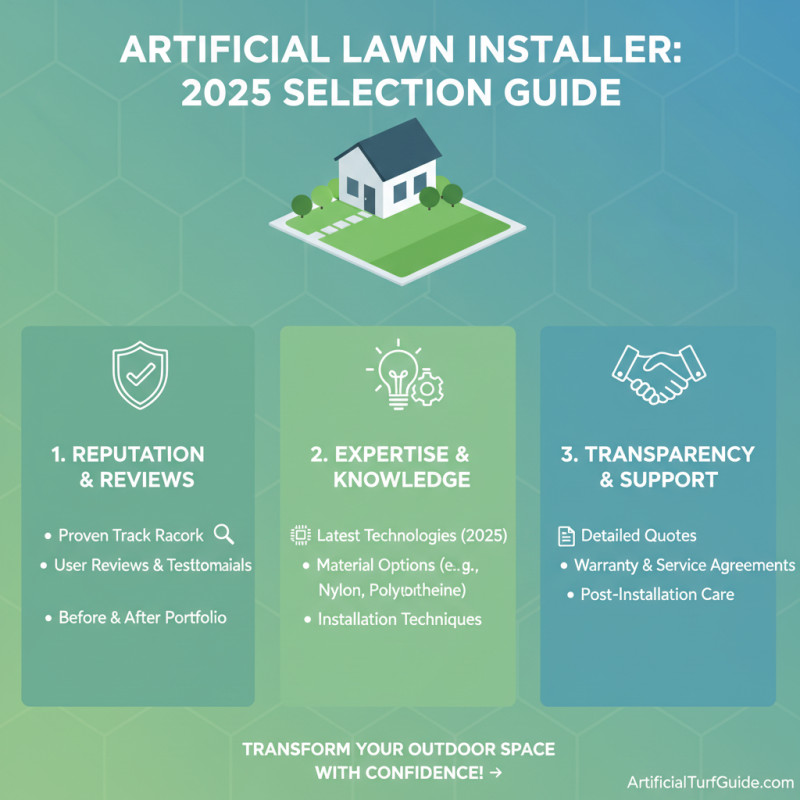
When selecting an artificial lawn, the choice of installer is crucial to ensure a successful transformation of your outdoor space. Start by seeking out reputable installers who have a proven track record in the industry. Look for user reviews and testimonials that highlight their previous work, particularly in installing the type of artificial grass you are considering. A reliable installer will be willing to show you their portfolio and should be knowledgeable about the latest technologies and materials available in 2025.
It’s also important to verify their qualifications and experience. Ask about the installation process they employ and the warranty they offer for both the grass and the installation work. An installer who is transparent about their practices and prioritizes customer satisfaction will not only help you choose the right type of artificial grass but will also ensure that it is installed correctly, minimizing future maintenance issues and maximizing the longevity of your lawn. Engaging with knowledgeable professionals can make all the difference in transforming your lawn into a beautiful, low-maintenance outdoor space.
Leveraging Industry Insights: How Turf Pro Artificial Grass Enhances Gym Performance with Customized Pattern Numbers
In today’s fitness landscape, the choice of flooring in Gym facilities plays a vital role in enhancing athletic performance. The latest advancements in artificial grass technology provide athletes with innovative solutions tailored to their specific training needs. By leveraging industry insights, specialized turf options that prioritize functionality and performance are now available. This customized approach enables gyms to create versatile training environments that support diverse exercise regimens.
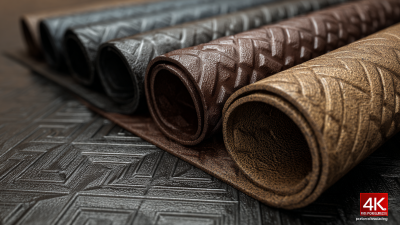
One standout option is the Pro Style turf, constructed from high-quality PE material with KDK fiber. This turf features a robust 150g PET backing fabric, ensuring durability while maintaining the softness and flexibility essential for multifaceted training sessions. Its design is not only geared toward functional and conditioning training but also optimizes friction, thereby enhancing athletes' movements and safety during workouts. With an extensive array of color choices and visually engaging patterns, the Pro Style turf can transform any fitness space, making it an integral component of modern multi-functional training facilities.
The innovative design standards set in this turf series enable fitness centers to cater to a wide range of activities, from agility drills to strength conditioning. The combination of resilience and aesthetic appeal makes it an ideal solution for gym owners looking to elevate their training environments while promoting peak performance among athletes.
FAQS
: To determine your lawn's specific needs, evaluate its intended use—whether for recreation or relaxation—and assess environmental factors such as sunlight exposure, drainage, and soil type. This understanding will guide your selection of artificial grass that best suits your requirements.
Consider factors like sunlight exposure, drainage capacity, and soil type. For lawns with full sun, look for materials that resist fading and withstand heat. Proper drainage is essential to prevent water pooling, which can affect the grass's longevity.
High-quality artificial grass typically ranges from $5 to $20 per square foot. The price can vary based on materials, brand, and features.
While the initial cost of artificial grass may seem high, it generally has a lifespan of 15 to 25 years, making annual costs more manageable than natural grass, which incurs ongoing expenses for upkeep.
Investing in durable artificial grass ensures better resilience and UV stability, leading to improved aesthetics over time and reducing the frequency of replacements, ultimately contributing to financial savings.
Maintenance for artificial grass includes regular cleaning to remove debris and occasional power washing for deeper cleanings. Additionally, maintaining the infill material and promptly addressing any rips or tears is essential for longevity and appearance.
Infill material supports the grass blades and provides cushioning. Different types of infill have varying maintenance needs; for example, rubber may need redistribution, while organic options might require more frequent replacement.
It is advisable to perform a simple weekly raking or brushing to prevent debris buildup, with occasional power washing to address deeper stains and odors.
Promptly addressing any rips or tears helps prevent further damage, maintaining the overall look and functionality of your lawn over time.
Climate affects the selection of artificial grass, with materials needing to be resilient and UV-stable in various climate conditions to ensure durability and longevity.
Conclusion
In 2025, selecting the ideal Artificial Grass for your lawn involves several key considerations. First, it's crucial to understand the benefits of artificial grass, such as low maintenance and all-year-round greenery. Evaluating your lawn's specific needs will help you determine the right type of artificial grass material that fits your aesthetic and functional requirements.
Next, comparing cost versus longevity is essential, as different options may vary significantly in terms of initial investment and lifespan. Additionally, assessing the environmental impact and sustainability factors can guide you in making an eco-friendly choice. Finally, understanding the maintenance requirements and choosing a reliable installer will ensure that your artificial lawn remains beautiful and functional for years to come. By carefully considering these aspects, you can make an informed decision that enhances your outdoor space.